
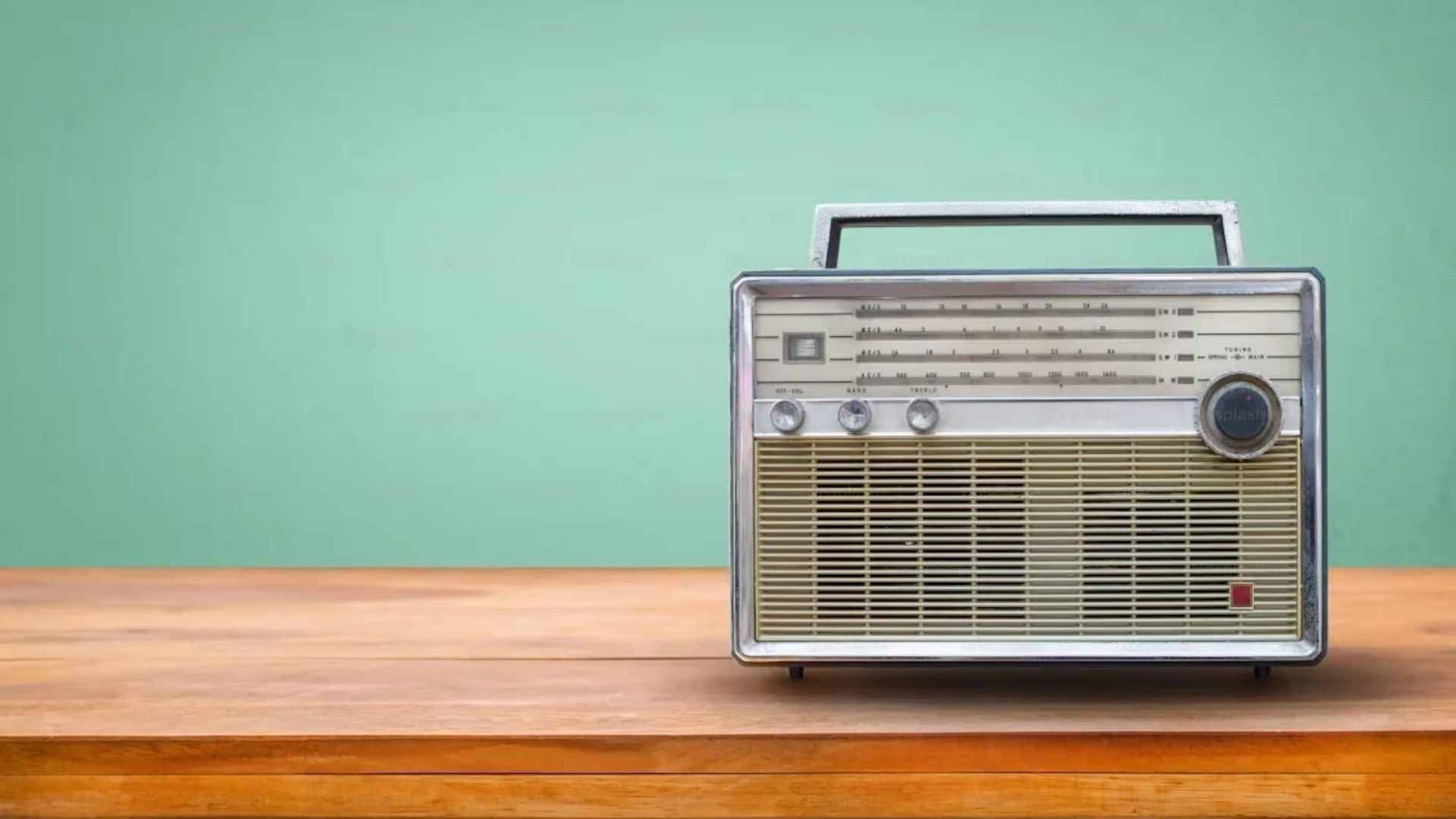
Jakarta, October 31 – Fikomers, be honest! When was the last time you listened to the radio, other than when you were stuck in traffic? Or maybe you spend more time scrolling through Spotify to find your favorite podcasts? In today’s world, where almost everything can be accessed and played anytime, both radio and podcasts continue to exist. But which one is actually more relevant to us today? Let’s find out!
In today’s digital era, radio and podcasts are both popular audio media, but they have very different characteristics. Podcasts offer flexibility, allowing listeners to tune in whenever they want. Meanwhile, radio stands out through its live broadcasts and real-time interactions. According to Farid Rusdi, S.S., M.Si., listening to the radio offers a unique experience because of the personal connection between broadcasters and their audiences.
Mr. Farid himself worked as a reporter for a private radio station from 1999 to 2011. Back then, radio was one of the fastest news media platforms. Reports from the field could be delivered directly to the public through phone calls to the studio. Today, although social media has taken on a major role in distributing information, radio continues to adapt through streaming services and various digital platforms.
The main differences between radio and podcasts lie in their presentation and interaction. Podcasts are generally pre-recorded programs focusing on specific topics that listeners can play whenever they want. Radio, on the other hand, delivers live broadcasts that adapt to current situations. Listeners can also participate in real-time discussions through WhatsApp, social media, and even phone calls to the studio.
Mr. Farid offers an interesting comparison. Streaming platforms are like convenience stores, where people can choose whatever content they want to enjoy. Radio, meanwhile, is like a coffee shop, creating a sense of togetherness through broadcasters’ greetings and conversations with listeners. This personal connection is one of radio’s greatest strengths.
To remain relevant, Mr. Farid emphasizes the importance of embracing technology without losing the essence of radio. Connecting with social media, streaming services, and podcasts can help expand its audience, especially among younger generations. He believes that live broadcasts and the warmth of human interaction remain the key elements that distinguish radio from pre-recorded audio content.
The skills developed in radio broadcasting are also highly relevant to the needs of today’s communication industry. Speaking in front of a microphone, conducting live interviews, understanding audience situations, and delivering information in an engaging way are all essential skills, whether for creating podcasts or other forms of digital content.
For Fikomers who aspire to pursue careers in the audio industry, Mr. Farid recommends learning audio editing, live streaming, and social media content creation. In addition, it is important to broaden one’s knowledge, stay updated on current issues, and start building a portfolio through podcasts or live broadcasts, even with simple equipment.
Ultimately, digital developments do not necessarily mean the end of radio. Instead, they encourage it to keep adapting. Radio and podcasts each have their own strengths and can complement one another. By maintaining its unique live broadcasting characteristics while embracing digital technology, radio has great potential to continue growing and creating new opportunities for the younger generation in the communication industry. (AK)