
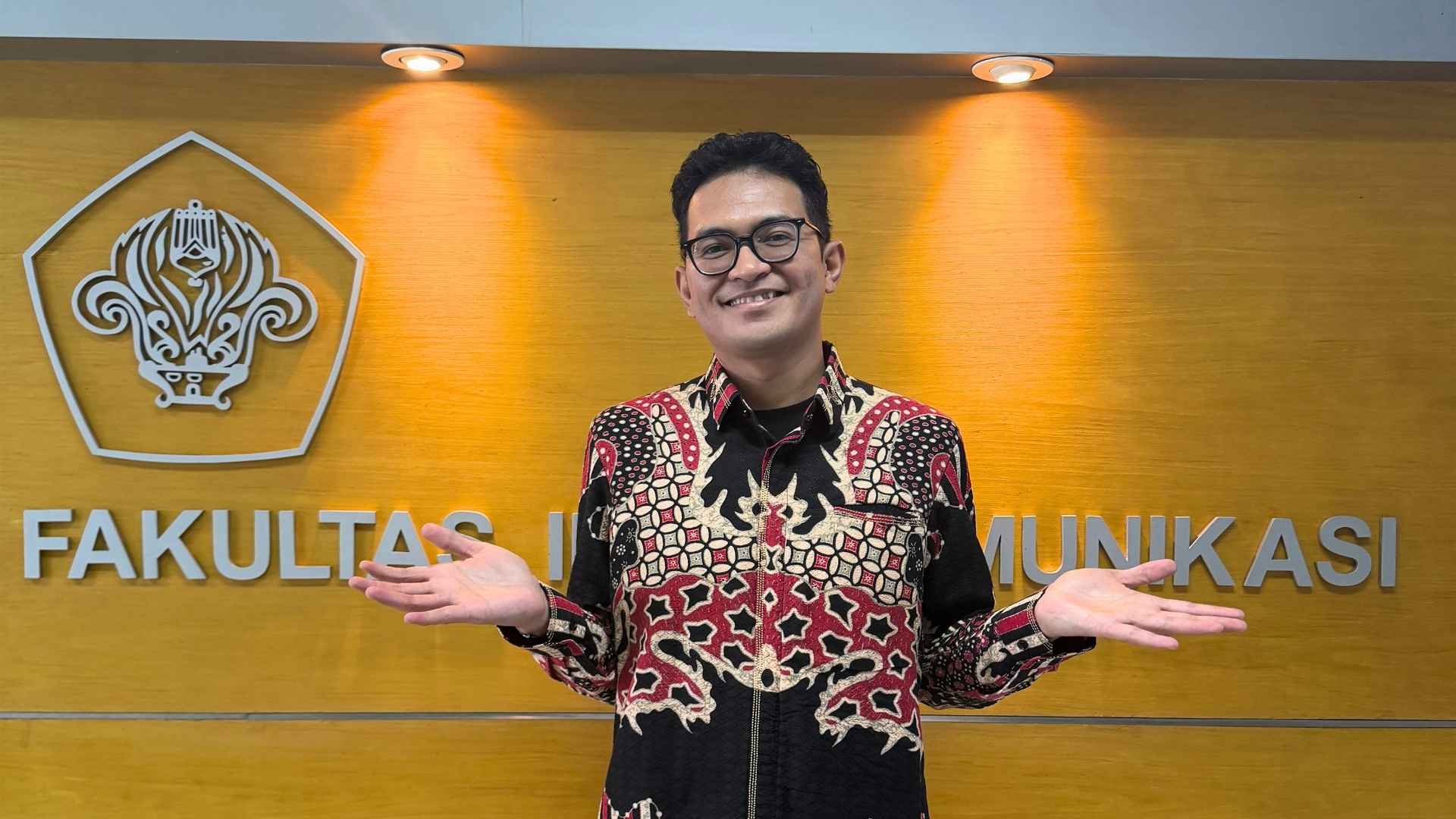
Jakarta, September 1, 2026 — The ability to adapt to different cultural environments has become an essential competency for young people amid the increasing mobility of education, professional opportunities, and social interactions on a global scale. Understanding culture, communication patterns, social values, and local customs serves as an important foundation for individuals to build relationships and interact effectively in multicultural environments.
This perspective became an important part of a sharing session held in Jakarta on September 1, 2026, featuring Dimas Harris Sean Keefe, who has academic and professional experience in South Korea. Drawing from his cross-cultural experiences, Dimas shared valuable insights into the process of cultural adaptation and the challenges individuals may encounter when navigating environments with social and cultural characteristics that differ from those of their home countries.
Dimas emphasized that entering a new environment requires an openness to learning and understanding differences. Differences in expressing opinions, building interpersonal relationships, showing respect, and carrying out academic and professional activities can become new experiences that require a process of adjustment. This ability becomes increasingly important as students gain opportunities to participate in exchange programs, pursue studies abroad, attend international conferences, or build networks with people from different countries.
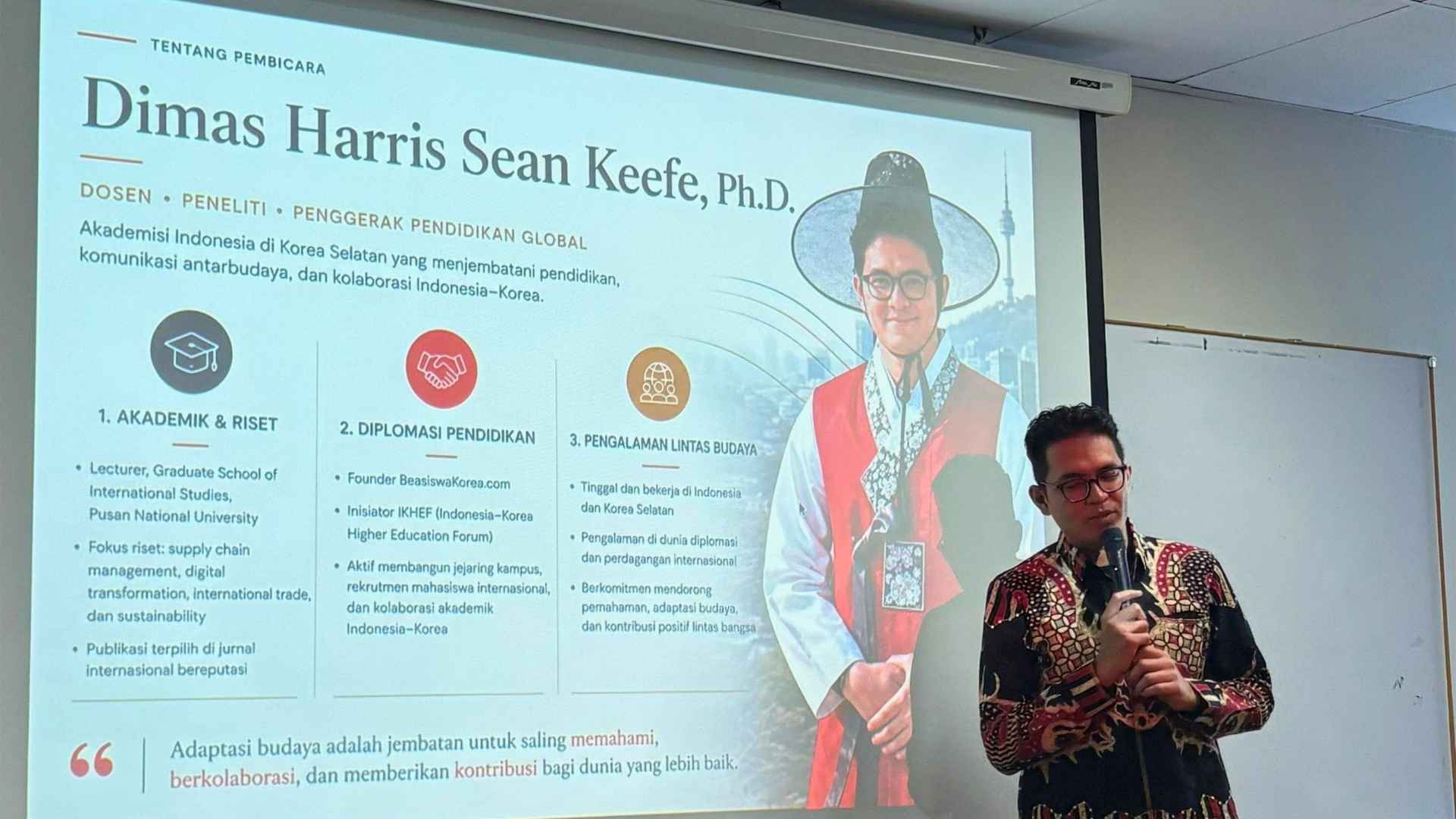
“Differences are not the opposite of unity. Mature unity is born when differences can exist without fear, be heard without prejudice, and be bridged without compromising dignity,” said Dimas.
One important lesson from cross-cultural experiences is that adaptation does not mean abandoning one’s cultural identity. An international environment can instead become a space for individuals to better understand their own identity while introducing their culture of origin to the global community. In this context, intercultural communication can serve as a means of exchanging knowledge and experiences between different cultures.
Higher education is increasingly moving toward developing graduates who are capable of both competing and collaborating internationally. The concept of being a global citizen is becoming increasingly relevant, as challenges and opportunities in the modern world are no longer limited by geographical boundaries. Dimas encouraged young people to step outside their comfort zones and take advantage of international opportunities. Learning and interacting with people from other countries can broaden perspectives, enhance communication skills, and build valuable networks for academic and professional development.
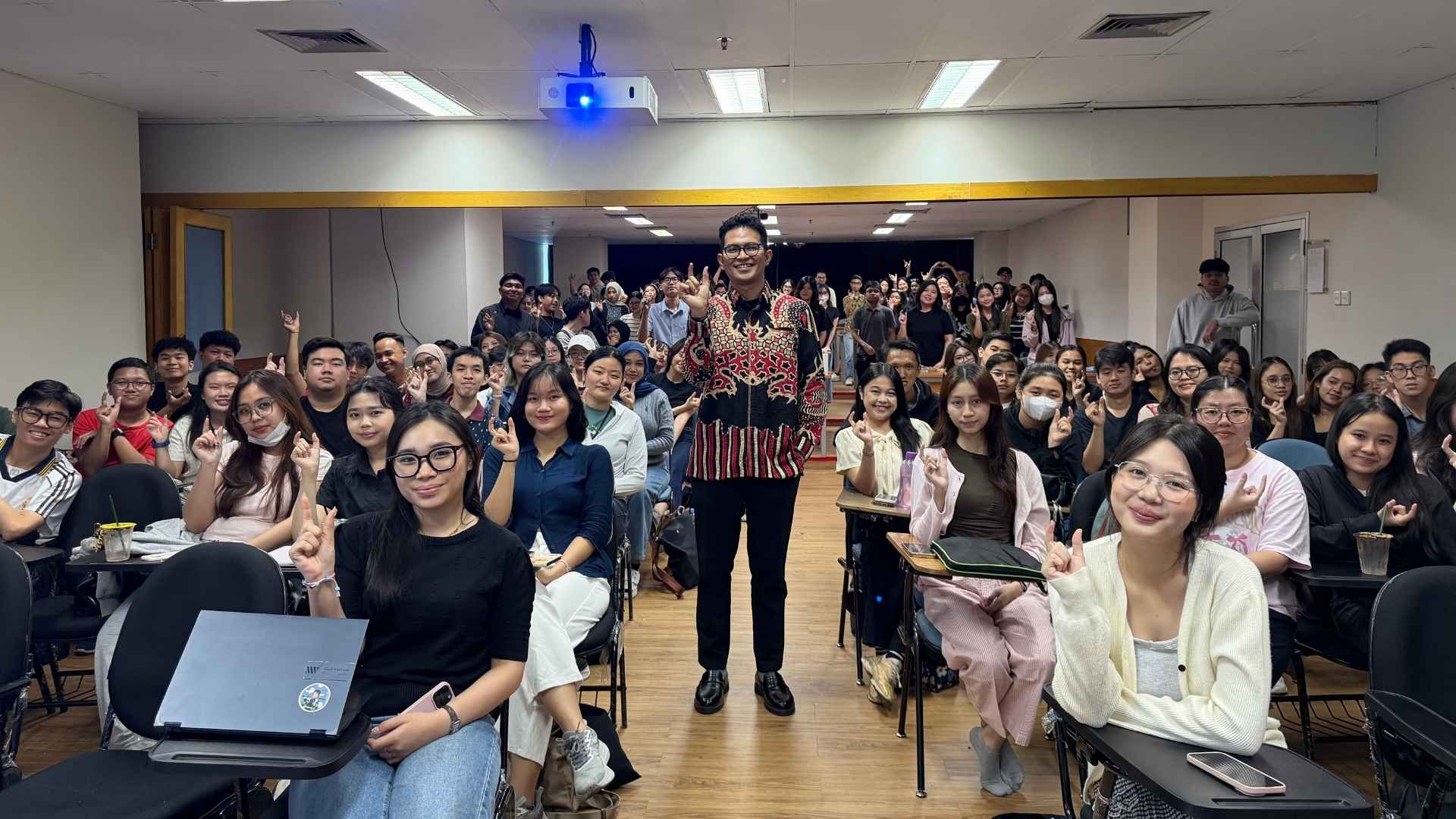
Being a global citizen does not simply mean being able to communicate in a foreign language or having visited another country. More importantly, it requires the ability to appreciate diversity, maintain an open mind, understand other perspectives, and collaborate with individuals from different cultural backgrounds. Ultimately, cross-cultural experiences provide more than knowledge about other countries; they also become a process of self-discovery. Being in a different environment encourages individuals to reflect on their habits, ways of thinking, and communication patterns that they may have previously taken for granted. This process can shape individuals who are more adaptive, reflective, and open to diversity. (SA/FD)