
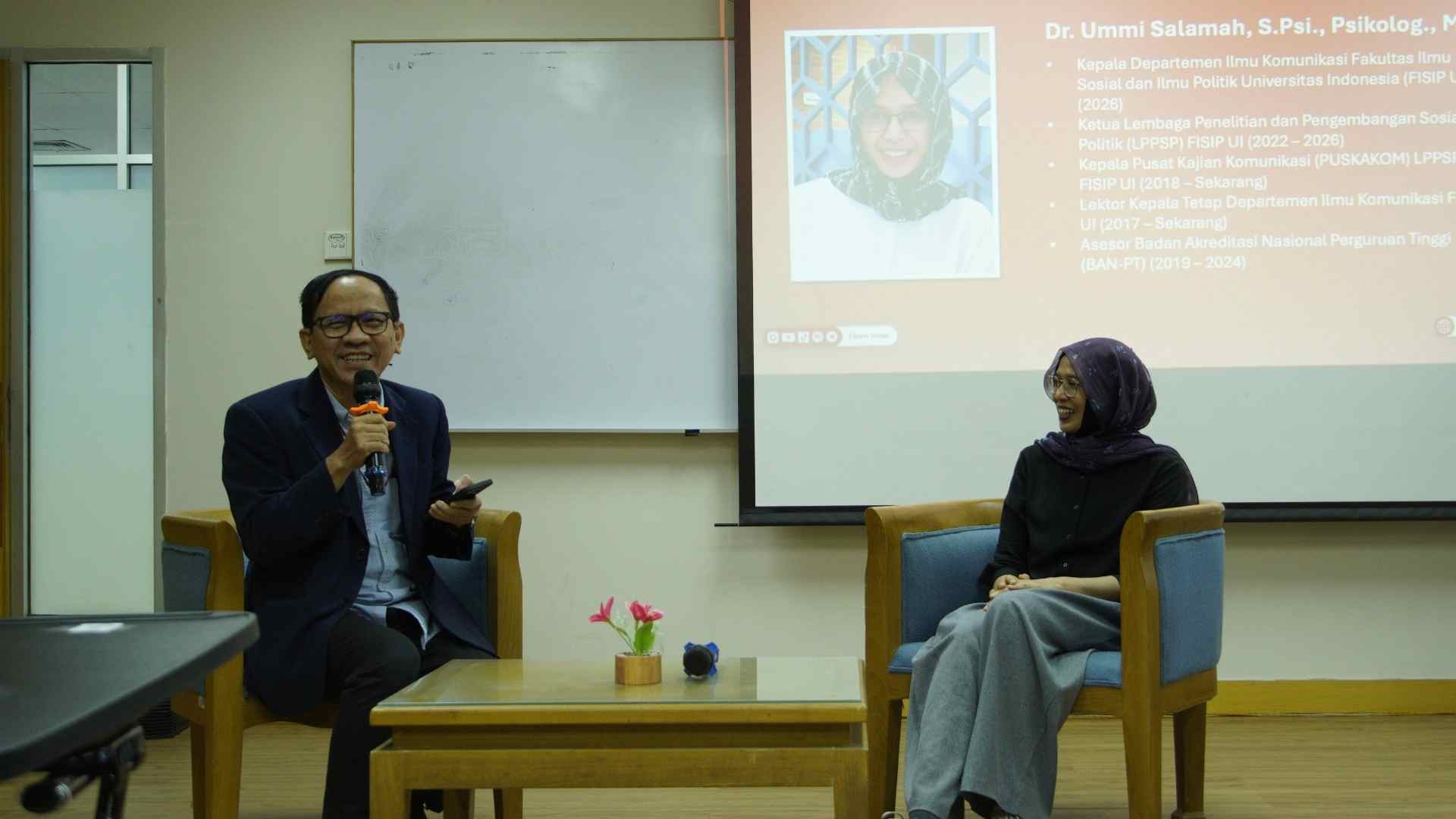
Jakarta, June 13, 2026 – Public communication in Indonesia faces new challenges as the development of artificial intelligence (AI), disinformation, and the emergence of homeless media increasingly influence the digital public sphere. This situation demands that the government and public institutions develop communication strategies that are more adaptive, dialogical, and oriented towards public trust.
This issue emerged at the Academic Forum for the Master of Communication Studies program at the Faculty of Communication Sciences (Fikom) at Tarumanagara University (Untar) on Public Communication, featuring Dr. Ummi Salamah, S.Psi., Psikolog, M.Si., a lecturer from the Department of Communication Sciences, FISIP, University of Indonesia, as a speaker on Saturday (June 13).
Opening the event, Dr. Sinta Paramita, S.I.P., M.A., Dean of Fikom Untar, stated that the theme of public communication is highly relevant to current developments marked by digital transformation, the increasing use of artificial intelligence, and the increasingly complex relationship between government, media, and the public.
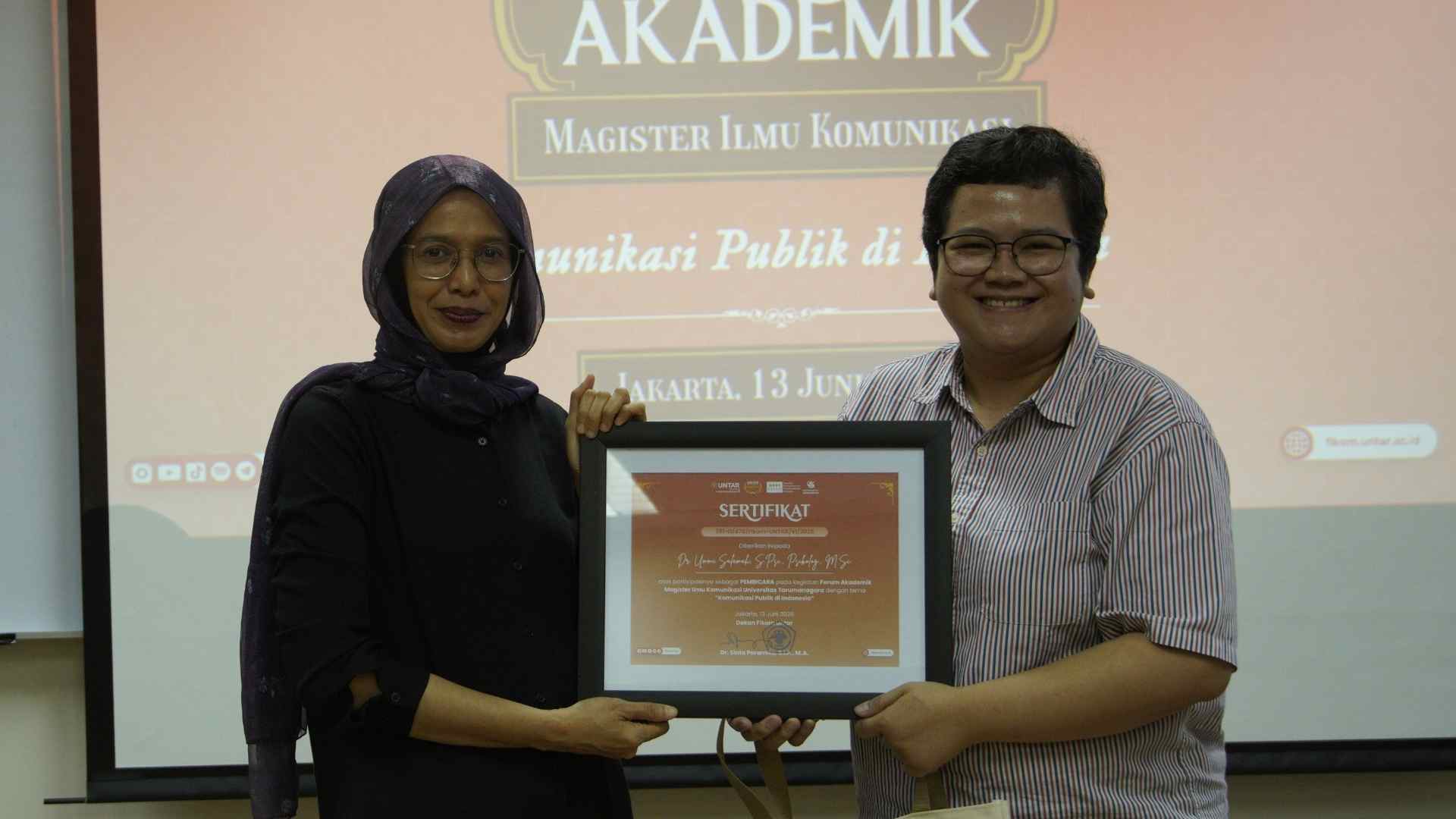
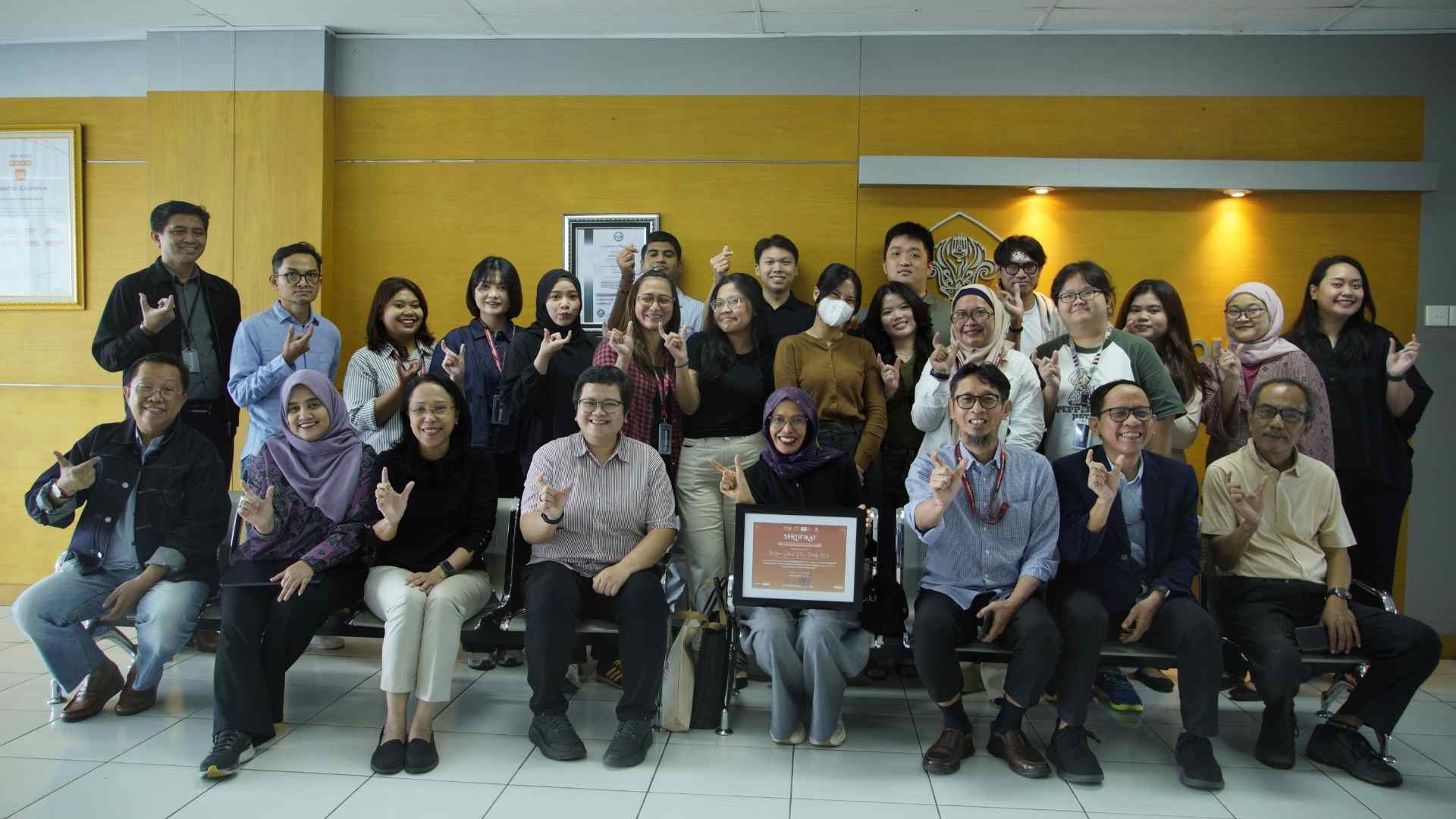
According to her, academic forums are an important space for Master of Communication Science students to broaden their horizons and strengthen their professional competencies. She explained that most of the master’s students are communication practitioners from various sectors with diverse experiences.
“Through this forum, students not only gain academic perspectives from speakers but also share experiences and best practices in the workplace. Discussions like these are crucial for improving communication skills in facing the challenges of a constantly evolving profession,” said Sinta.
In her presentation, Ummi explained that public communication is not only related to government communication, but also encompasses communication between public bodies, Government Public Relations (GPR), government policy communication, and political public relations.
She further explained that effective public communication is a crucial prerequisite for public participation in the policy process. Communication is no longer understood as a one-way delivery of information from the government to the public, but rather must evolve towards public consultation and participation, enabling dialogue and information exchange between the public and policymakers.
Citing the OECD framework, Ummi stated that effective public communication can produce better policies, increase transparency and accountability, strengthen resilience against misinformation and disinformation, and encourage collaboration with various stakeholders. In the long term, this contributes to strengthening democracy and increasing public trust in public institutions.
On that occasion, Ummi also highlighted the development of the digital communication landscape, which makes the traditional linear communication model increasingly inadequate. In the era of social media, communication occurs dynamically through interactions between various stakeholders, which can expand, change, and even reshape the messages conveyed by public institutions.
Therefore, she emphasized the importance of a strategic communication approach oriented toward the needs and aspirations of the public (an outside-in approach). According to her, the success of public communication is ultimately determined by an organization’s ability to build relationships, collaboration, and trust with citizens. (AJ/FD)