
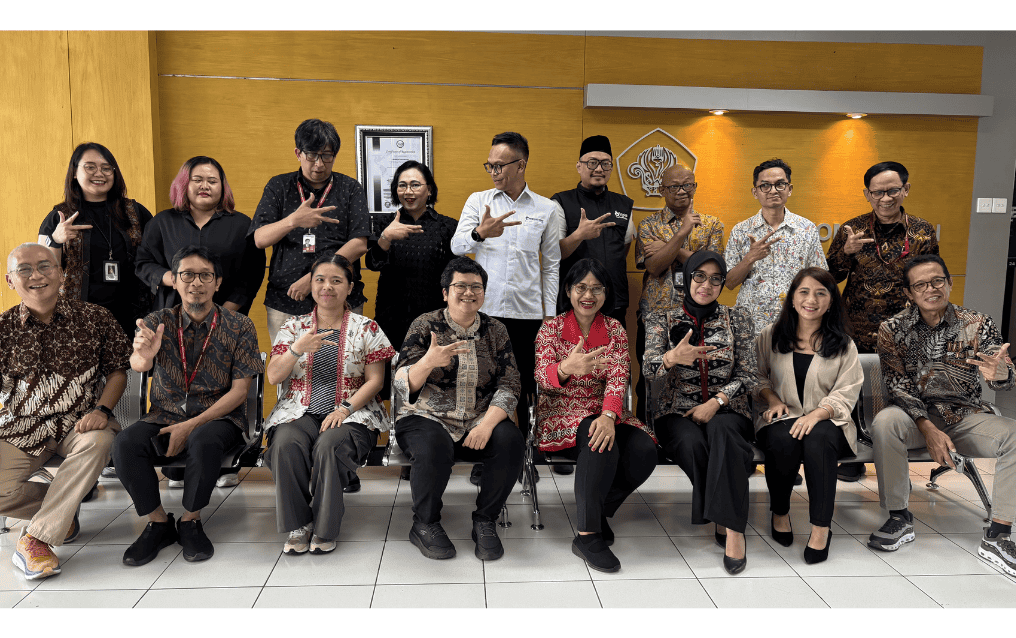
The Faculty of Communication Science at Universitas Tarumanagara (Fikom Untar) held a Curriculum Review and Development activity based on Outcome-Based Education (OBE) for the Communication Studies Program on April 21–22, 2026. This initiative represents a strategic step to ensure that the implemented curriculum remains adaptive to changes in the communication industry, particularly in the era of digitalization and artificial intelligence (AI).
In her opening remarks, Dean of Fikom Untar, Dr. Sinta Paramita, S.I.P., M.A., emphasized the importance of a curriculum that is responsive to evolving times. She stated that the OBE approach is key to producing graduates who are not only academically उत्कृष्ट but also relevant to industry needs and capable of competing globally.
The initial presentation was delivered by the Head of the Undergraduate Communication Studies Program, Dr. Wulan Purnama Sari, S.I.Kom., M.Si., who outlined the curriculum structure, graduate profiles, and learning outcomes (CPL). She highlighted that the curriculum is designed to integrate theoretical and practical competencies in a balanced manner and is continuously developed through input from various stakeholders.
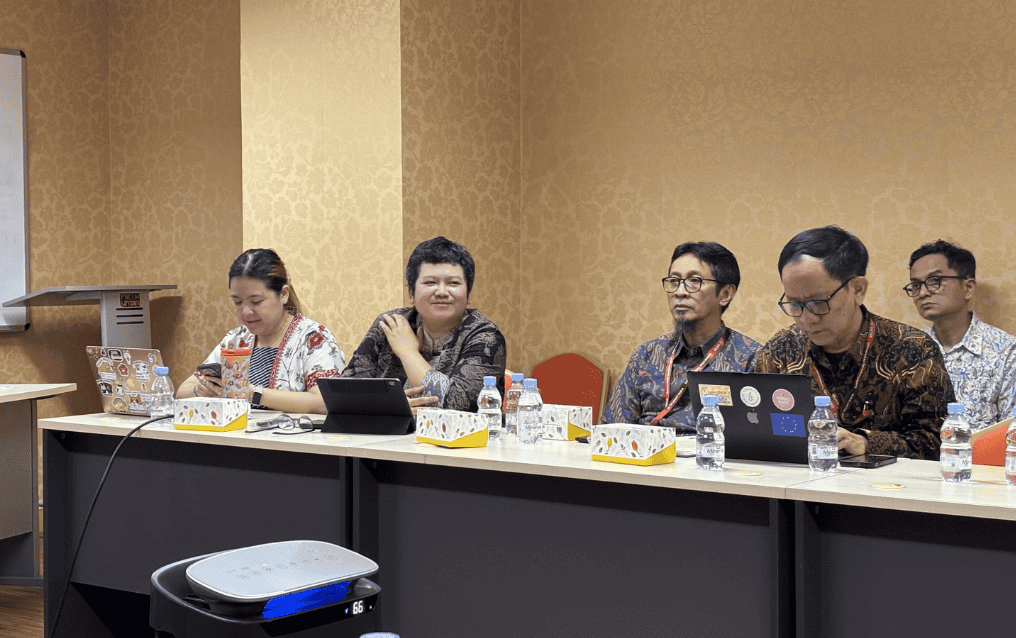
The activity continued with a Focus Group Discussion (FGD) session involving an expert panel, associations, government institutions, industry representatives (users), and alumni. The discussion aimed to align the curriculum with industry demands, validate graduate profiles and learning outcomes, integrate emerging trends and issues, and strengthen quality assurance and accreditation standards.
During the discussion session, expert panel member Prof. Dr. Atwar Bajari noted that Fikom Untar is on the right track in implementing the OBE curriculum. “The structure of the learning outcomes profile is already solid; however, further development can be made to the graduate profile to make it more substantive and aligned with industry developments. The weighting of courses is also very well designed,” he stated.
In a similar vein, Prof. Dr. Puji Lestari highlighted the significant transformation occurring within the communication industry. She explained that there has been a shift from conventional media toward AI-mediated communication on digital platforms integrated with the global digital economy. According to her, curriculum development should prioritize applied and impactful learning.
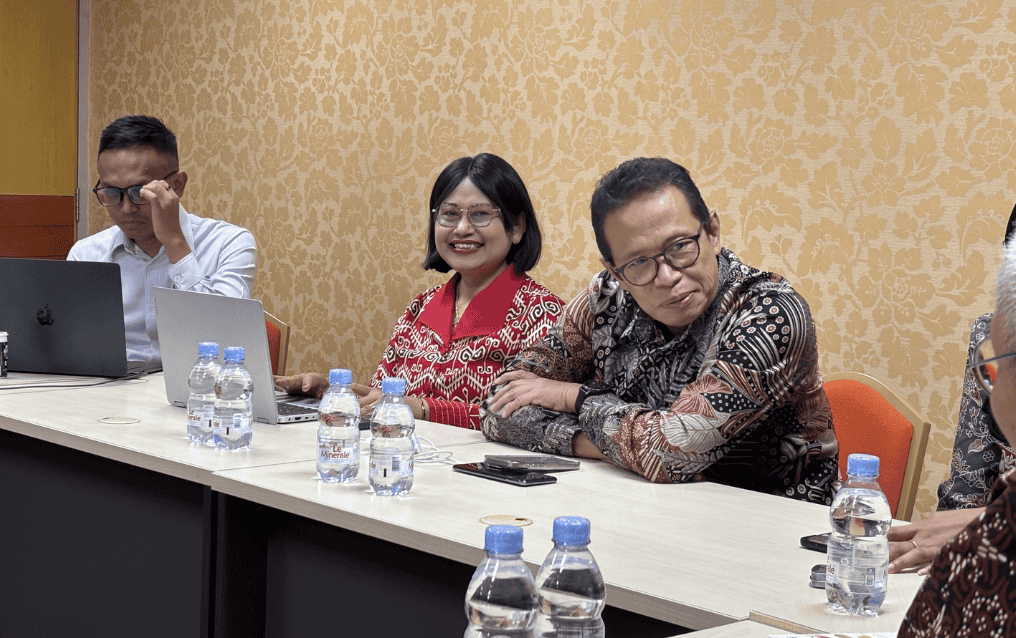
Meanwhile, Vice President of Strategy and Data at VosFoyer, Inayati Suryani, S.I.Kom., M.Si., emphasized five major shifts influencing the competencies required of graduates: data-driven practices, the role of AI in reshaping workflows, media convergence, increasing audience complexity, and the shift in communication objectives toward impact. “Communication graduates need to be strengthened in strategic thinking, cross-platform integration, and the use of tools—not merely message production,” she explained.
From the media industry perspective, Executive Director of AMSI (Indonesian Cyber Media Association), Elin Yunita Kristanti, stated that journalism demands broad insight. She pointed out that AI developments have transformed information distribution patterns, with society increasingly relying on search engines. “The more advanced the tools used, the greater the ethical challenges that arise,” she noted.
Representing the government sector, Head of the Partnership Subdivision, Development Division, Jakarta Provincial Office of Culture, Galih Hutama Putra, S.Hum., emphasized that public communication is inherently cross-cultural and crucial in policy dissemination. He recommended strengthening intercultural public communication practices, incorporating real policy case studies, and mastering tools such as analytics and social listening to develop data-driven communication strategies.
Through this activity, Fikom Untar reaffirmed its commitment to continuously delivering an innovative, adaptive, and industry-relevant curriculum. Collaboration with various stakeholders is expected to enhance graduate quality and strengthen the competitiveness of the Communication Studies Program at Universitas Tarumanagara at both national and international levels. (LI)