

Depok, August 6, 2026 – The rapid growth of social media has transformed the way people discover, choose, and experience tourism destinations. Rather than relying solely on conventional promotional efforts, tourism villages are now shaped through complex interactions among local communities, destination managers, digital platforms, and visitors’ experiences. This is the central finding of the dissertation titled “The Social Construction of Authenticity on Social Media: A Multi-Source Multiple Case Study in Digital Tourism Marketing Communication of Tourism Villages,” presented by Diah Ayu Candraningrum during her doctoral dissertation defense at the University of Indonesia.
The study examines how the authenticity of tourism villages is constructed, communicated, and interpreted within the digital ecosystem through case studies of Candirejo Tourism Village and Karangrejo Tourism Village in Magelang Regency, Central Java. Employing a qualitative approach with a multiple-case study design based on multiple data sources, the research includes in-depth interviews with various tourism village stakeholders, field observations, digital observations of Instagram content, and analyses of visitor reviews on Google Reviews and Tripadvisor.
The findings indicate that authenticity in digital tourism can no longer be understood merely as the existence of original culture, traditions, or landscapes. Instead, authenticity is a dynamic social process continuously shaped through interactions between local realities, digital representations, platform technologies, visitors’ interpretations, on-site experiences, and the reproduction of meaning through online reviews.
The research further demonstrates that social media functions not only as a promotional tool but also as a space where destination identities are constructed. Through digital content, local communities and destination managers selectively communicate aspects of local life to the public. At the same time, tourists become producers of new meanings through photographs, videos, comments, and travel reviews. Consequently, the reputation of a tourism village is built not solely by its managers but through interactions among multiple actors within the digital ecosystem.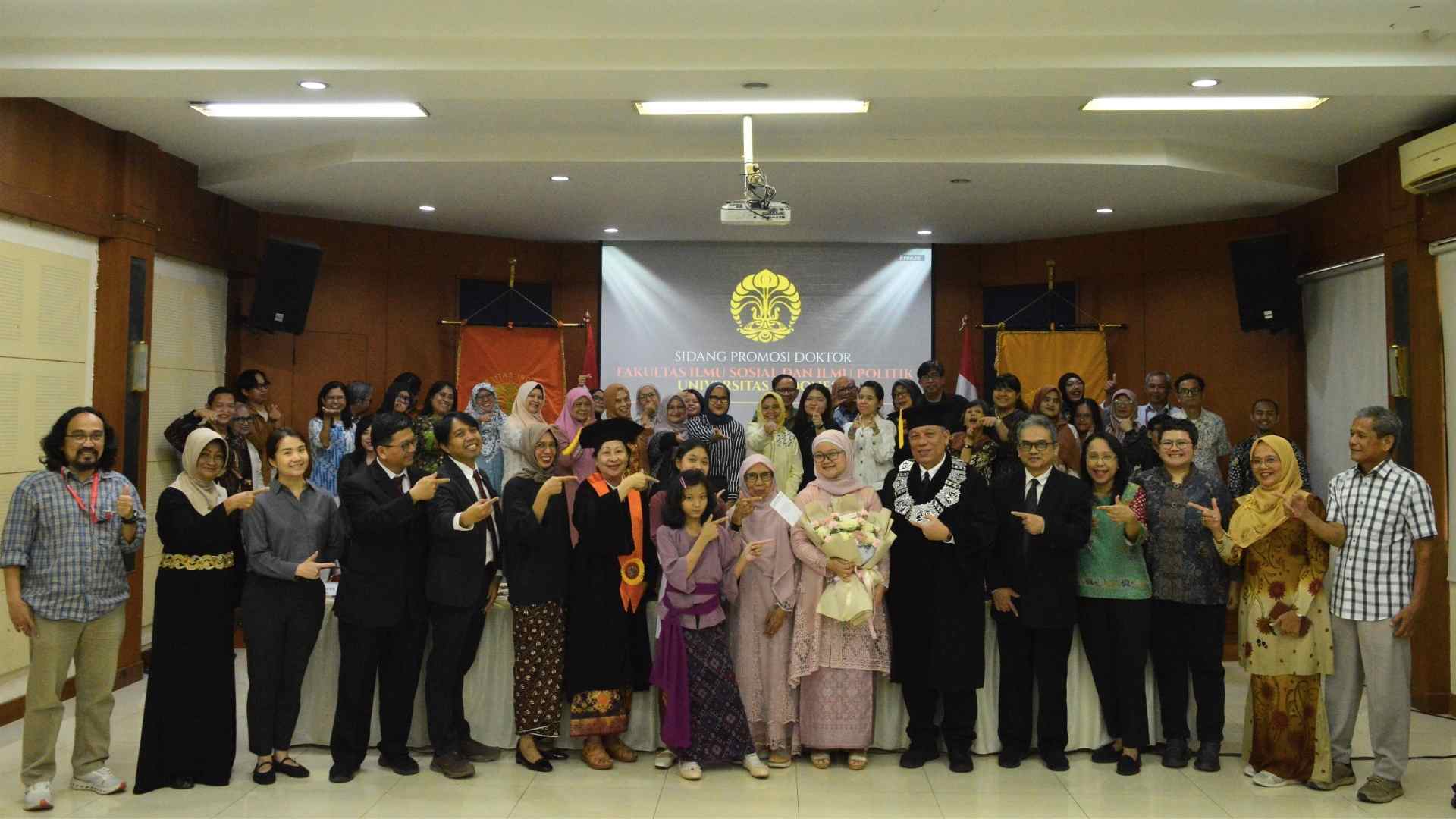
The study identifies distinct characteristics in the formation of digital identities between the two tourism villages.
In Candirejo Tourism Village, authenticity is primarily constructed through everyday community life as a tourism experience. Agricultural activities, local culture, interactions with residents, traditions, culinary heritage, and participatory experiences form the village’s central narrative. This creates a relatively cohesive identity in which various local elements are connected through a unified story about village life.
In contrast, Karangrejo Tourism Village presents a different dynamic. Although the village possesses rich cultural assets, including local traditions, performing arts, and community-based knowledge products, its digital representation is largely dominated by a single tourist attraction—Punthuk Setumbu. This reflects the challenge of fragmented identity, where one attraction becomes more widely recognized than the village’s overall identity.
As an academic contribution, the research introduces a conceptual framework called the Hexagon Model of Tourism Village Authenticity Construction. The model explains that authenticity is shaped through six interconnected elements:
- Meaning Producers (destination managers, local communities, government, and other local stakeholders)
- Authenticity Representation (cultural narratives, visuals, photographs, videos, and digital content)
- Platform Mediation (Instagram, Google Reviews, Tripadvisor, and platform algorithms)
- Tourist Interpretation (expectations and perceptions before visiting)
- Destination Experience (direct interactions with local culture and communities)
- Digital Reproduction of Meaning (reviews, comments, and user-generated content).
The model emphasizes that authenticity is not a fixed characteristic but is continuously negotiated through interactions among local communities, technology, and tourists.
The findings also offer practical implications for tourism village managers, governments, local communities, and tourism industry stakeholders. For destination managers, the study highlights that digital strategies should go beyond increasing the quantity of content and instead ensure consistency between the destination’s online image and visitors’ actual experiences.
For local communities, the research reinforces their role as the primary subjects of tourism development. Local culture should not merely become an object of promotion but remain an integral part of community life with its own intrinsic value and meaning. For governments and policymakers, the study recommends that tourism village development programs should focus not only on physical infrastructure and promotion but also on strengthening:
- Digital literacy among local communities
- Destination communication management capabilities
- Institutional governance
- Online reputation management
- Community-based sustainability strategies.


The research also offers a critical reflection on the dual nature of digitalization. On one hand, social media provides significant opportunities for tourism villages to gain wider recognition, strengthen local identities, expand market access, and support local economic development. On the other hand, it presents risks such as cultural simplification, identity commercialization, dependence on platform algorithms, and unequal visibility among attractions and community groups.
Therefore, the digital transformation of tourism villages should not merely aim to increase visibility but also ensure that local communities have the capacity to determine how their identities are represented.
Through this research, Diah Ayu Candraningrum emphasizes that the future of Indonesia’s tourism villages depends not only on their ability to produce digital content but also on their capacity to build strong connections between local identity, visitor experiences, and credible communication. Sustainable tourism villages are not simply those that become popular on social media but those that maintain consistency between what they communicate, what visitors experience, and what genuinely exists within the community.
The study is expected to serve as a valuable reference for advancing digital tourism marketing communication and strengthening Indonesia’s tourism villages to become more inclusive, sustainable, and community-based. (DA)