
Jakarta, September 29, 2026 — Disaster reporting is one of the challenges journalists face in carrying out their journalistic duties. Not only are they required to deliver information quickly and accurately, but journalists must also consider the psychological condition of victims and ensure their safety while reporting from disaster-affected areas.
This was stated by Dr. Ahmad Junaidi, S.S., M.Si., a Journalism lecturer at the Faculty of Communication Sciences (Fikom) at Universitas Tarumanagara (Untar), who has 25 years of experience as a journalist, from 1996 to 2021. One of his reporting experiences was covering the aftermath of the Aceh tsunami several days after the disaster occurred.
According to him, interviews with disaster victims must be conducted carefully, as many victims may still be grieving the loss of family members or their homes.
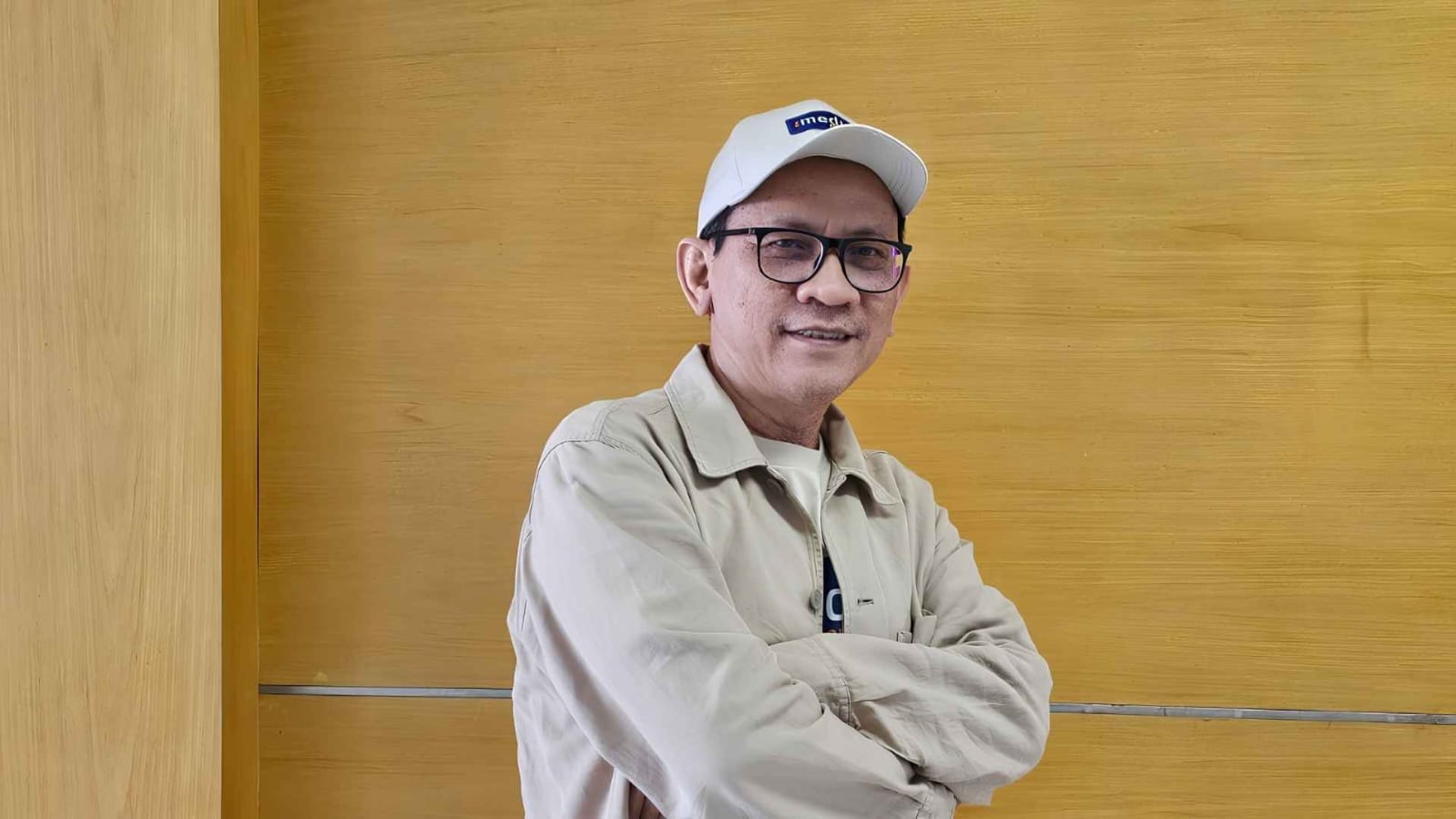
“Journalists must be careful when interviewing disaster victims who are grieving the loss of family members and the destruction of their homes,” he said.
Before reporting from a disaster site, journalists also need to prepare various necessities to support their work in the field. These include personal medication, sufficient clothing, and cash.
In addition to personal preparation, obtaining accurate information is an important part of disaster reporting. Ahmad explained that journalists can obtain information from authorities, such as the National Disaster Management Agency (BNPB), local leaders, and people living in or around the disaster-affected area.
In disaster situations, journalists also need to adjust the speed of their work according to the type of news they are covering. Short news reports require a fast reporting process, while in-depth reports or features require more time to gather and explore information.
“Short news reports have to be produced quickly, but in-depth reports and features need to be thorough and require time,” he explained.
Ahmad also emphasized the importance of sensitivity and empathy for journalists covering disasters. According to him, journalists need to listen directly to the experiences of local communities and survivors rather than relying solely on information provided by authorities.
“Journalists must be sensitive to victims and survivors, interview local residents and survivors, and not rely solely on officials. In addition, they must prepare proper personal safety equipment for disaster reporting,” Ahmad said.
Through these experiences, disaster reporting demonstrates that journalists not only play a role in delivering information to the public but must also prioritize accuracy, empathy, and safety while carrying out their duties in the field. (FD)